


09/11/2026
SDLP Unveils Three-Phase Plan To End Stormont Stalemate
The SDLP Opposition has unveiled a comprehensive reform blueprint to overhaul Stormont, improve democratic oversight and end the recurring crises that have hampered devolved government in recent decades.
The report, Politics for the Common Good: Beyond Constant Crisis, outlines a three-stage programme: immediate steps to enhance scrutiny and accountability; a broader assessment of power-sharing in the next Assembly mandate; and a longer-term plan for more effective, responsive governance.
Key immediate measures proposed include preventing any single party from bringing down the Executive by passing nominations for First Minister or deputy First Minister to the next eligible party, establishing Joint First Ministers, reforming how the Assembly Speaker is elected and removing additional Executive vetoes introduced under the St Andrews Agreement. The party also proposes stronger collective government by linking Executive formation to an agreed Programme for Government and placing a statutory duty on Ministers and departments to collaborate on shared priorities. Communities would be given greater influence over decisions on public investment, regeneration and the delivery of services.
Over the longer term, the SDLP wants a reassessment of power-sharing, including the potential for voluntary coalitions and less reliance on community designation, while retaining protections for rights, equality and political identities. The party is also exploring moving the Northern Ireland Assembly to an accessible, repurposed site in Belfast city centre by the end of the next mandate and taking Assembly proceedings to towns and cities across Northern Ireland.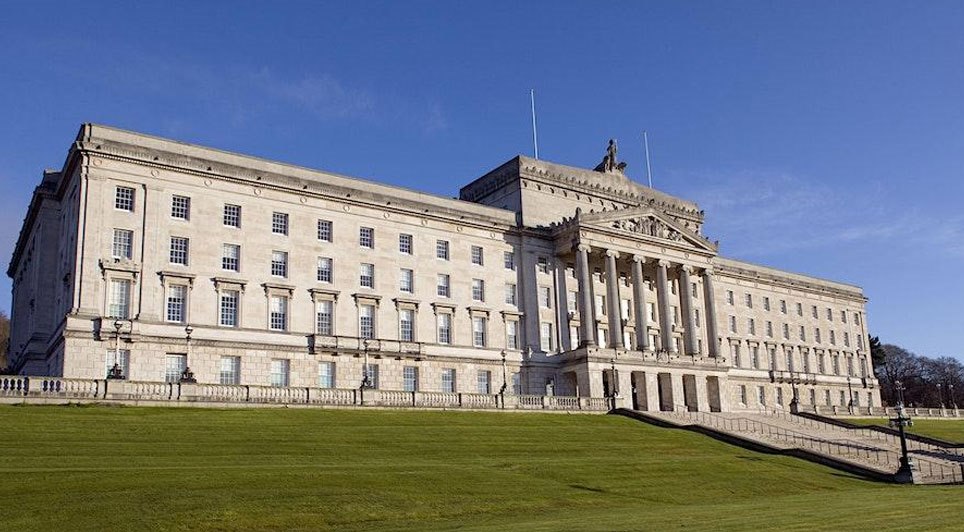 The report urges the UK and Irish Governments to quickly convene a focused process to agree urgent institutional reforms before the next Assembly election, followed by a wider programme of political and civic engagement during the next mandate.
Launching the plan, SDLP Leader Claire Hanna MP said: "Politics isn't delivering for people in Northern Ireland, and as we head towards another election in May, another five years of the same paralysis and decay isn't something we should impose upon the generations of young people coming up behind us.
"The Good Friday Agreement created the foundations for peace and partnership, but it was never intended to be the final destination for our politics. The recent events at Garvaghy Road have reminded us how much work remains undone in building a genuinely reconciled society here.
"For those of us who believe in a New Ireland, making this place work better today and preparing for constitutional change are not competing ambitions. They are part of the same responsibility.
"We have spent too long asking how to keep the institutions standing. It is time to ask how we make them worth having."
Leader of the Opposition Matthew O'Toole MLA said: "We have an Executive that cannot agree a Budget, public services under enormous pressure and political parties increasingly consumed by arguments about who holds power rather than what they intend to do with it.
"Stormont has become a byword for political dysfunction. We need to end the ability of a single party to collapse government, remove unnecessary vetoes and ensure Ministers are accountable for the decisions they make.
"Our proposals would link the Programme for Government to the Budget, strengthen accountability and bring the Assembly closer to the people it serves, including through relocating it to the heart of Belfast.
"We don't just want institutions that are harder to collapse. We want government that actually works."
The full Politics for the Common Good: Beyond Constant Crisis report is available at: www.sdlp.ie/politics_for_the_common_good
The report, Politics for the Common Good: Beyond Constant Crisis, outlines a three-stage programme: immediate steps to enhance scrutiny and accountability; a broader assessment of power-sharing in the next Assembly mandate; and a longer-term plan for more effective, responsive governance.
Key immediate measures proposed include preventing any single party from bringing down the Executive by passing nominations for First Minister or deputy First Minister to the next eligible party, establishing Joint First Ministers, reforming how the Assembly Speaker is elected and removing additional Executive vetoes introduced under the St Andrews Agreement. The party also proposes stronger collective government by linking Executive formation to an agreed Programme for Government and placing a statutory duty on Ministers and departments to collaborate on shared priorities. Communities would be given greater influence over decisions on public investment, regeneration and the delivery of services.
Over the longer term, the SDLP wants a reassessment of power-sharing, including the potential for voluntary coalitions and less reliance on community designation, while retaining protections for rights, equality and political identities. The party is also exploring moving the Northern Ireland Assembly to an accessible, repurposed site in Belfast city centre by the end of the next mandate and taking Assembly proceedings to towns and cities across Northern Ireland.
Launching the plan, SDLP Leader Claire Hanna MP said: "Politics isn't delivering for people in Northern Ireland, and as we head towards another election in May, another five years of the same paralysis and decay isn't something we should impose upon the generations of young people coming up behind us.
"The Good Friday Agreement created the foundations for peace and partnership, but it was never intended to be the final destination for our politics. The recent events at Garvaghy Road have reminded us how much work remains undone in building a genuinely reconciled society here.
"For those of us who believe in a New Ireland, making this place work better today and preparing for constitutional change are not competing ambitions. They are part of the same responsibility.
"We have spent too long asking how to keep the institutions standing. It is time to ask how we make them worth having."
Leader of the Opposition Matthew O'Toole MLA said: "We have an Executive that cannot agree a Budget, public services under enormous pressure and political parties increasingly consumed by arguments about who holds power rather than what they intend to do with it.
"Stormont has become a byword for political dysfunction. We need to end the ability of a single party to collapse government, remove unnecessary vetoes and ensure Ministers are accountable for the decisions they make.
"Our proposals would link the Programme for Government to the Budget, strengthen accountability and bring the Assembly closer to the people it serves, including through relocating it to the heart of Belfast.
"We don't just want institutions that are harder to collapse. We want government that actually works."
The full Politics for the Common Good: Beyond Constant Crisis report is available at: www.sdlp.ie/politics_for_the_common_good
Related Northern Ireland News Stories
Click here for the latest headlines.
14 October 2008
US Envoy Targets Executive Stalemate
Today's expected bid by a senior US official to kick-start NI Executive meetings will add to pressure on both Sinn Fein and the DUP to end the current political stalemate.
US Envoy Targets Executive Stalemate
Today's expected bid by a senior US official to kick-start NI Executive meetings will add to pressure on both Sinn Fein and the DUP to end the current political stalemate.
14 December 2022
Internal Conservative Party Politics Cause Of Protocol Delay – DUP
The Prime Minister's decision to pause the NI Protocol Bill's progression is more related to internal Conservative Party politics than the chances of getting a fair, balanced and sustainable agreement in Brussels, DUP North Antrim MP Ian Paisley has said. Mr Paisley said: "The Protocol must be replaced by arrangements that Unionists can support.
21 September 2006
UUP member defects to Tories
A senior member of the Ulster Unionist party has defected to the Conservatives, it has today emerged. James Leslie, a former junior minister at the Stormont Assembly, said that local politics had gone “stale” and only the Tories shared his ambitions.
UUP member defects to Tories
A senior member of the Ulster Unionist party has defected to the Conservatives, it has today emerged. James Leslie, a former junior minister at the Stormont Assembly, said that local politics had gone “stale” and only the Tories shared his ambitions.
22 May 2023
Election Results 'Clear Sign People Want Politics To Work' – O'Neill
The results of the local council elections is a clear signal that people want politics to work for all, First Minister Designate Michelle O’Neill has said.
Election Results 'Clear Sign People Want Politics To Work' – O'Neill
The results of the local council elections is a clear signal that people want politics to work for all, First Minister Designate Michelle O’Neill has said.
16 November 2016
Green Party Cllr Ross Brown To Step Down From Politics
Green Party Councillor Ross Brown has confirmed he is to step down from politics and has resigned from his seat. Mr Brown made his decision after he was offered a new post which requires him to move away from Northern Ireland. He will be replaced on Belfast City Council by Georgina Milne.
-


 Northern Ireland WeatherThis Evening and Tonight:Mostly dry at first with variable cloud and some clear spells, but showers still in the northeast. Further cloud and outbreaks of rain spread northeast overnight. Minimum temperature 5 °C.